
Fall 2026 · CSE 090-SE / CSE 290-SE · 1 Unit
Tales of Modern Software Engineering
How AI is (and isn't) changing how software engineers build the computer systems that power our world
Each week, practicing software engineers and system builders will share their experience and answer your questions about building software in the age of generative AI.
If you register for credit (Pass/No Pass only), you will need to attend 70% of the days to pass the course. Roll will be taken.
When
Mondays, 11:00–11:50 am
Where
QI Auditorium, Atkinson Hall (Near the Bear)
No food or drink other than water allowed.
Enroll
CSE 290-SE (grad)
TSS Sec. ID: SE00155014
CSE 090-SE (undergrad)
TSS Sec. ID: SE00159590
Prerequisites
None
Schedule
-
Week 1 Mon Sep 28
From a 2.8 GPA to Leading AI Platform Development at Scale
In a world that rewards perfect curation, by both humans and AI, it's easy to believe a successful career in tech means landing every move with a perfect 10. The engineers who thrive are the ones who run toward challenges and welcome failure as a close friend. Kylie shares twelve years of that, from graduating UCSD with a 2.8 GPA to leading AI platform development at scale at Intuit.
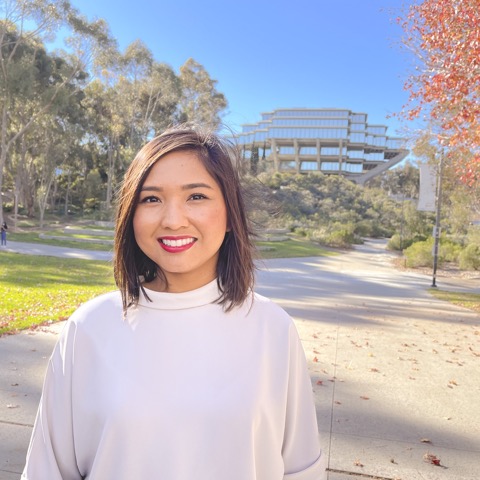 Speaker bio: Kylie serves on the UC San Diego CSE Alumni Advisory Board. She spent nine years as a software engineer at Intuit before becoming a manager, and now leads the TurboTax Online platform teams behind the backend services and AI capabilities that serve tens of millions of customers a year. She also co-founded Code With Her, a San Diego nonprofit that has brought coding workshops and mentorship to thousands of students from underrepresented communities. When she's not championing tech and culture, you can usually find her chasing sunsets (and her two dogs, Bo and Butter) at Fiesta Island Dog Beach.
-
Week 2 Mon Oct 5
Generative AI and Software Engineering at Whova
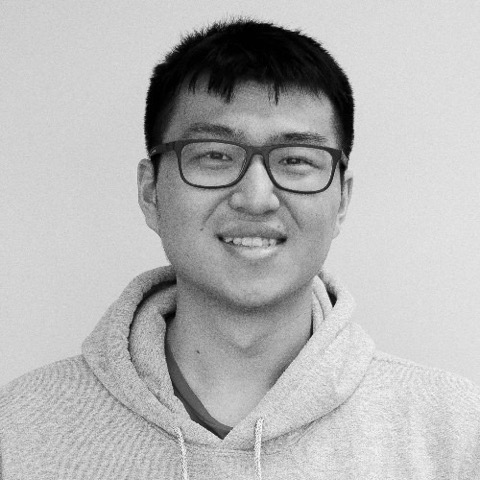 Tony WuSpeaker bio: Tony Wu is an Engineering Manager at Whova, an all-in-one event management platform based in San Diego. An Electrical Engineering graduate from the University of Waterloo, he joined Whova in 2018 and currently leads the Mobile and Data teams. Outside of work, he enjoys cooking, traveling, and photography.
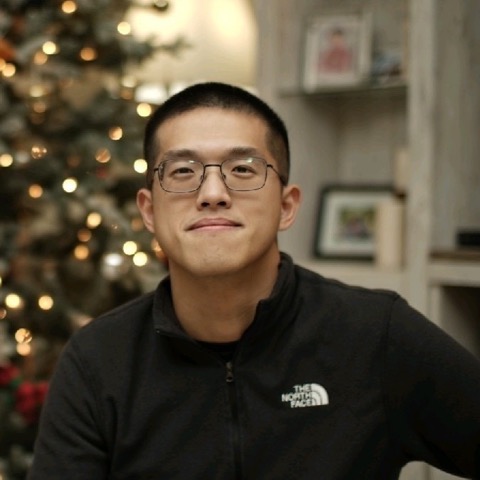 Louis LesmanaSpeaker bio: Louis Lesmana is an Engineering Manager at Whova, where he has worked since joining the company in 2016 after graduating from UC San Diego. He started his career as a software engineer working on the company's early projects and has since taken on responsibilities across software engineering, technical project management, and quality engineering. Outside of work, Louis enjoys traveling, exploring new places, and finding good coffee.
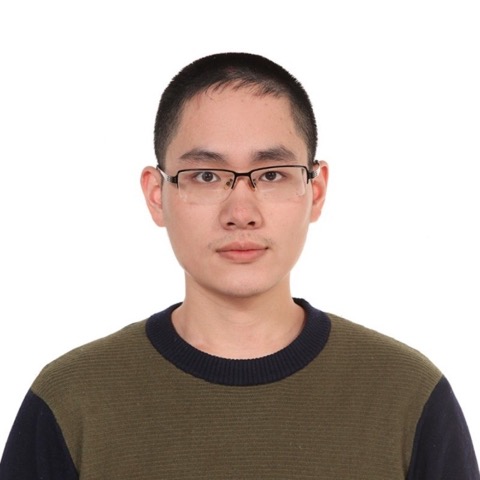 Haochen HuangSpeaker bio: Haochen is an Engineering Manager at Whova. He leads the infrastructure team, helping build secure and reliable software. He holds a PhD in computer science from UC San Diego and joined Whova in 2023.
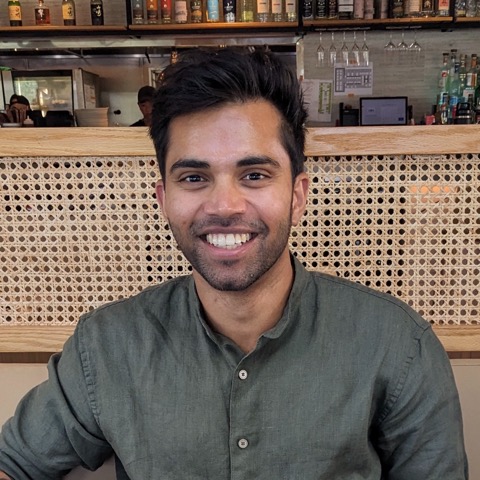 Rahul ChityalaSpeaker bio: Rahul Chityala is an Engineering Manager at Whova, an event management company whose software runs conferences and trade shows worldwide. He leads the teams behind the company's event registration platform and other core functionalities of the event management system. He joined Whova as an engineer in 2020 and holds a BS in Computer Science from the University of Wisconsin–Madison.
-
Week 3 Mon Oct 12
The CS Curriculum in the Age of Coding Agents
At the companies furthest along, most code is now typed by AI, and nobody reads every line. What remains for humans is deciding what to build, designing systems that survive change, and knowing whether what got built is what was meant. What does that mean for what CS students should learn, how they learn it, how we teach the first programming course, and advice for current CS students. More questions than answers.
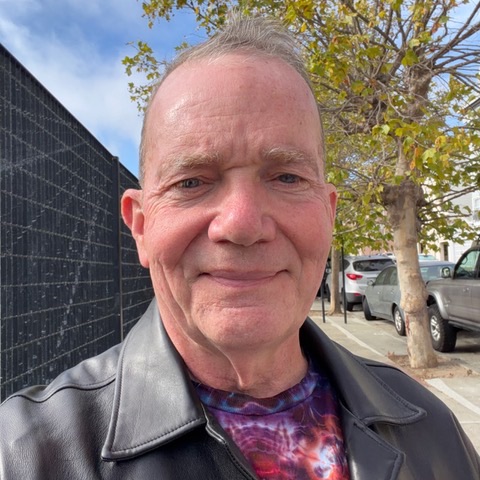 Speaker bio: Bill Pugh worked on Skip Lists, the Omega Project, the Java Memory Model, FindBugs, and Marmoset, a system for managing student programming project submission, testing, and code review. He has worked at both Google and Apple. He officially retired from UMD in 2012, but re-engaged with the department in 2025 to help figure out how CS curricula should be updated to reflect the impact of generative AI on software development.
-
Week 4 Mon Oct 19
Panel: UC San Diego Student Interns, Summer 2026
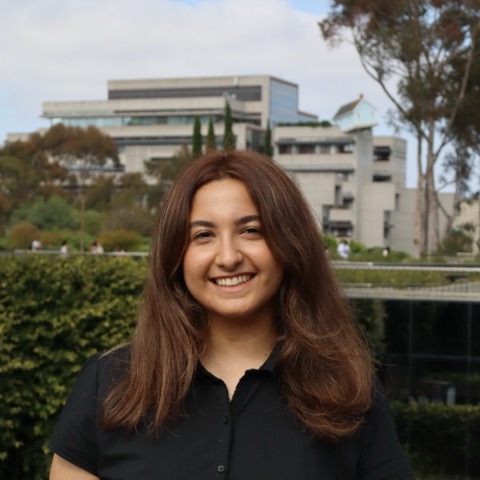 Kathy CharryMicrosoft Explore intern in Redmond, WA, building an AI-assisted data lineage tracking tool that helps engineers trace where data comes from and how it changes across Microsoft's systems.Hello! My name is Kathy, and I'm a third-year Computer Science student at UC San Diego. I'm interested in software engineering and AI, particularly how technology can be used to solve practical problems and improve the way people work. Through my coursework, research, mentoring, and internship experience, I've enjoyed working on projects that involve both building technical solutions and collaborating with others. I'm also interested in exploring how AI is changing the way we build and work, especially from a project management perspective.
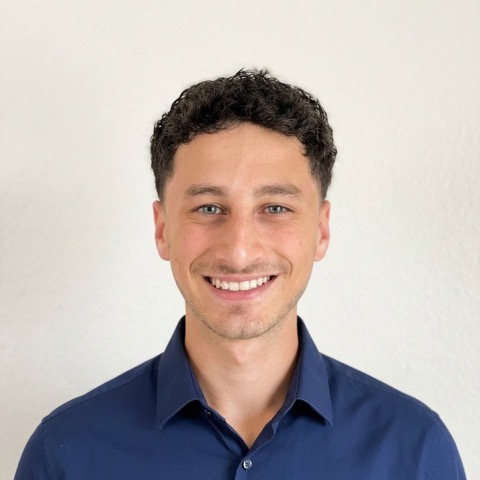 Ori ChasonEmbedded Software Engineer intern at Viasat on the next-generation user terminals team, at the physical layer, building an ML-based anomaly detector designed to run on-device.Ori is a senior at UC San Diego studying Computer Science, with a focus on embedded systems. This past summer, he worked as an Embedded Software Engineer Intern at Viasat on the physical layer team for next-generation satellite user terminals, where he began building an ML-based anomaly detector designed to run on-device. Outside of work, Ori built a fully autonomous RC car from the ground up. He is especially interested in how AI can transform embedded systems development, a field that still depends heavily on human intervention, particularly when it comes to testing on physical hardware.
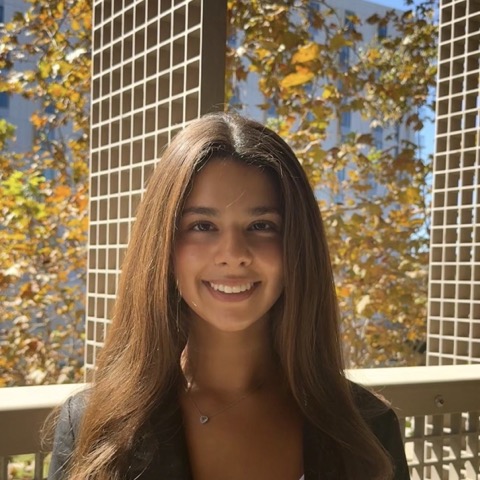 Leena BangaProduct Manager intern at Synergie Tech Solutions, developing Power BI dashboards to track project performance, identify risks, and improve reporting.I'm an Artificial Intelligence major at UC San Diego with experience in software development, product management, and data analytics. My work has focused on defining product requirements, developing dashboards, and analyzing project performance and financial metrics. I'm particularly interested in applying machine learning to financial market analysis and systematic trading. My career goal is to become a quantitative researcher, building predictive models and backtesting trading strategies to identify and evaluate investment opportunities.
-
Week 5 Mon Oct 26
AI, Games, Security and Software Engineering
Drawing on my work at XBOX, this talk looks at how AI is changing the way engineers prototype, explore codebases, and increasingly work with agents — and at how it's reshaping game development, from tooling to creative process. I'll share where AI meaningfully amplifies engineers, where it falls short, and why technical judgment still matters.
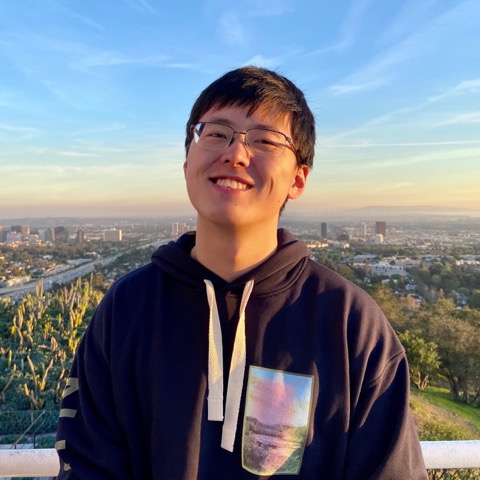 Speaker bio: Roy Guo is a senior software engineer at Microsoft working on XBOX shopping experiences across web, PC, and console. A UC San Diego and UC Berkeley computer science graduate, he has worked across full-stack development, cloud infrastructure, and game technology. Today, his work focuses on applying AI to software engineering and building consumer experiences at XBOX.
-
Week 6 Mon Nov 2
Using AI Teams as Symbiosis for Software Engineering
Software engineering is shifting from writing every line of code to orchestrating teams of AI agents alongside human judgment. In this session, we'll explore how to work with AI as a genuine collaborator rather than a code-completion tool: dividing work between specialized agents, keeping humans in charge of architecture and intent, and building verification into the loop so speed doesn't come at the cost of correctness. Drawing on real experience building a distributed query engine on Apache DataFusion and Ballista, I'll share what worked, what failed, and the practices that made the difference, including how to design for iteration, validate AI-generated work against measured results, and decide where human expertise matters most. Students will leave with a practical mental model for AI-augmented engineering and concrete habits they can apply to their own projects right away.
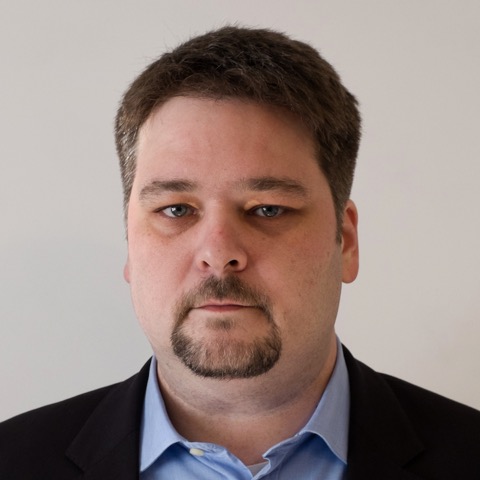 Speaker bio: Artur Borycki is VP of AI Research and Development at Teradata, where he has led the research function for the past decade. He began as an architect designing data systems for banks and insurers in Central Europe, and has since worked across pre-sales, field, product, research, and executive leadership on several continents. He builds teams that can both think five years ahead and ship, and focuses on AI infrastructure, enterprise systems, and what comes next.
-
Week 7 Mon Nov 9
Panel: Current and Future CSE Faculty
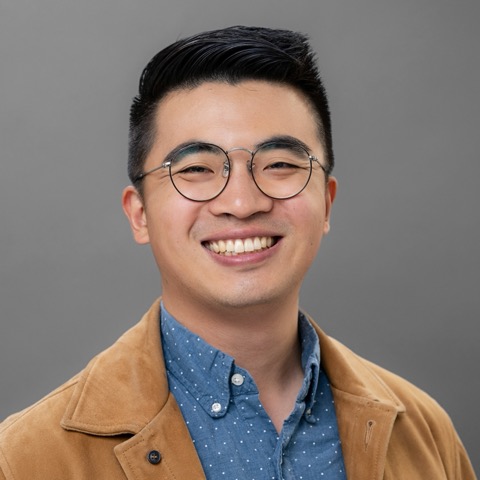 Dan FuDan leads the SandyResearch Lab at UC San Diego and is affiliated with the MLSys group. He is also VP of Kernels at Together AI, building a team focused on low-level performance engineering and GPU kernels. His research is on making machine learning models faster and more efficient, particularly by designing architectures that scale well on modern hardware.
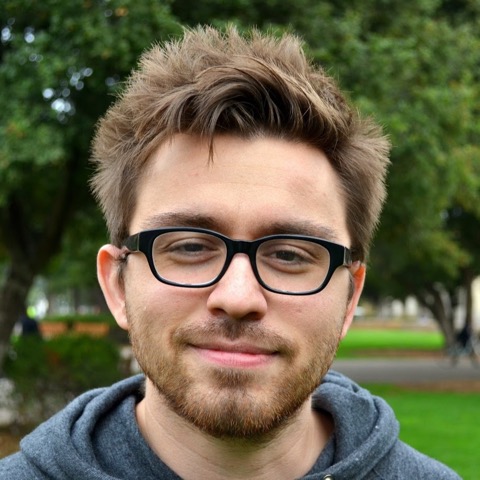 Deian StefanDeian builds principled and practical secure systems, working across security, programming languages, and systems. He and his students work on secure systems -- from web frameworks to new browser designs, sandboxing, and runtime systems -- as well as language-based security, verification, and program analysis tools. He co-founded Intrinsic, a web-security startup acquired by VMware.
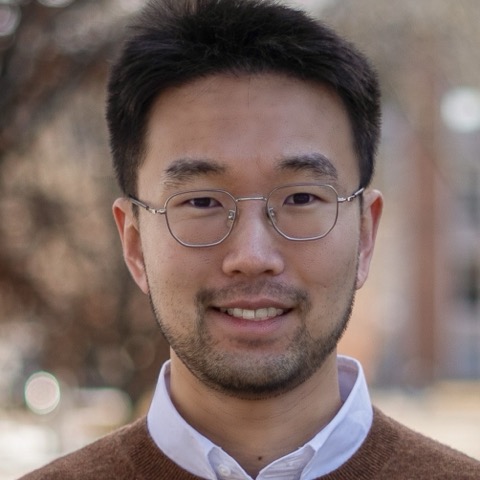 Tianyu GaoTianyu is a Research Scientist at Meta and joins UC San Diego as an assistant professor. He completed his PhD at Princeton and was previously a member of technical staff at OpenAI. His work is on large language models as information-seeking tools -- semantic search, generation with citations for verifiability, and long-context models -- and on making them cheaper to train and fine-tune.
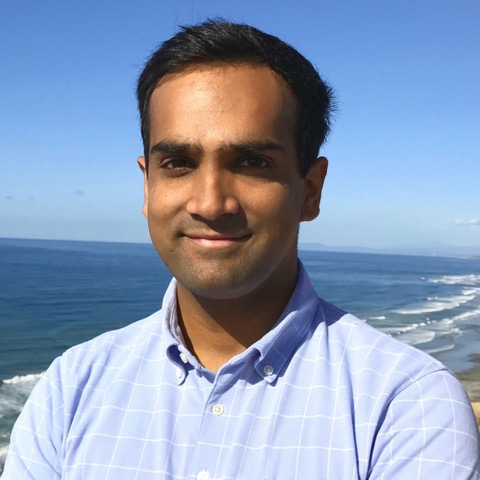 Arun KumarCofounder and CTO of RapidFire AI (and UCSD CSE Professor), which helps AI developers rapidly customize LLM pipelines. He leads a team of 6 to 8 across engineering, product, and services, and RapidFire AI uses reasoning and coding agents both internally and in the product itself.
-
Week 8 Mon Nov 16
Transitional Growing Pains: Preparing for Future Software Engineering Jobs in the Age of AI
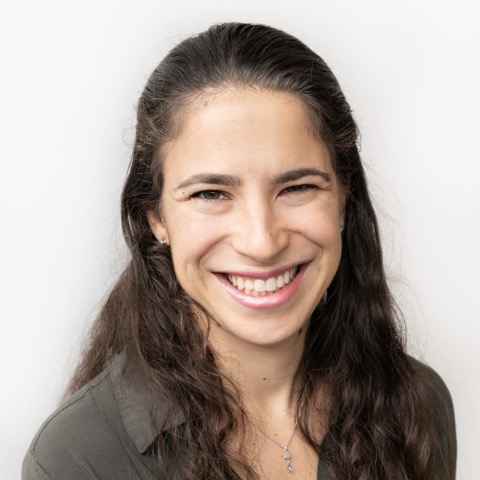 Speaker bio: Jamie Gorson Benario is a User Experience Researcher at Google who works on Google's goals of training their employees to use AI tools for their work. Jamie is also a Computer Science Education Researcher and crosses the academic and industry divide, contributing to numerous papers on generative AI in CS Education. She has a PhD in Computer Science and Learning Sciences from Northwestern University, specializing in CS student motivation and perspectives on their intelligence.
-
Week 9 Mon Nov 23
Talk title to be announced.
-
Week 10 Mon Nov 30
Talk title to be announced.